Tubular Battery: Types, Benefits, Working & Buying Guide
Learn how tubular batteries work, their types, benefits, capacity, maintenance, pricing factors and how to choose the right option for your inverter.
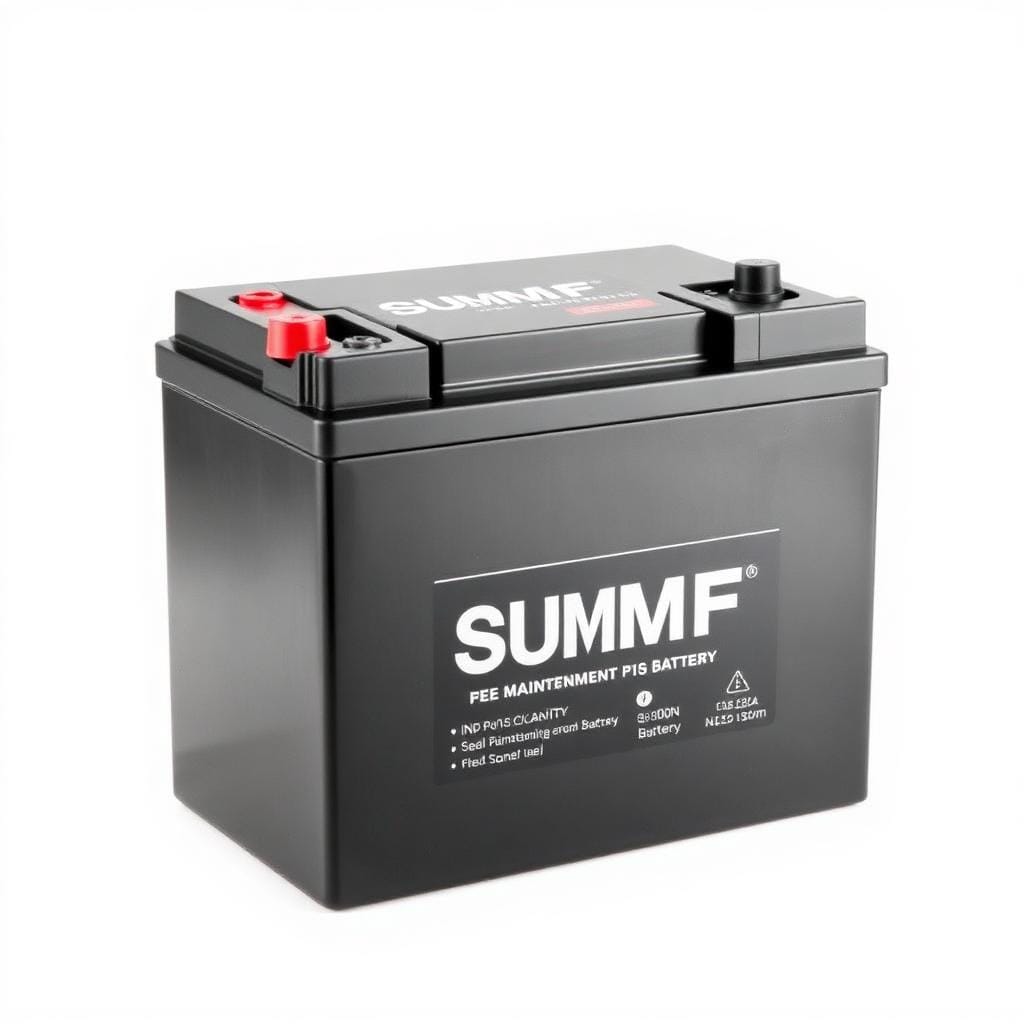
Power cuts can disrupt everything from household appliances and internet connectivity to business operations. A dependable backup system helps keep essential equipment running when the main power supply is unavailable. Among the different options available, a tubular battery is widely used with inverter systems because it is designed to handle regular charging and discharging.
Unlike conventional flat plate designs, this type of lead-acid battery uses tubular positive plates that hold the active material within a structured framework. This construction is particularly suited to applications where the battery may be cycled frequently.
But is it the right choice for your home or business? What is the difference between tubular and flat plate technology? How much capacity do you actually need? This guide explains everything you need to know before choosing one.
What Is a Tubular Battery?
A tubular battery is a rechargeable lead-acid battery commonly used for inverter and backup power applications. Its positive plates are constructed using tubular structures that help retain the active material during repeated charge and discharge cycles.
The battery contains an electrolyte, typically a mixture involving sulfuric acid and water. When the unit is charged, electrical energy is converted into chemical energy. During an outage, the stored energy is converted back into electrical power through the inverter to operate connected appliances.
This makes the technology suitable for homes, offices, shops and other locations where dependable backup is required.
How Does It Work?
The basic process is straightforward:
- Charging: The inverter supplies electricity to the battery.
- Storage: Energy is stored through electrochemical reactions.
- Discharge: When mains electricity fails, stored energy is supplied to the inverter.
- Power delivery: The inverter converts the stored DC energy into usable AC power for connected devices.
The actual backup duration depends on several factors, including capacity, connected load, inverter efficiency, discharge level and battery condition.
How Does Tubular Technology Differ From Conventional Batteries?
The key difference is the construction of the positive plate. In a conventional flat plate design, the active material is held on a relatively flat surface. In tubular construction, the active material is contained within tubular structures.
This provides mechanical support and makes the design suitable for applications involving repeated cycling.
However, plate construction is only one part of battery performance. Charging practices, temperature, depth of discharge, maintenance and operating conditions also have a significant effect on service life.
Types of Tubular Batteries
Not every model is designed in exactly the same way. Some common configurations include tall tubular and deep-cycle designs.
Tall Tubular Batteries
Tall tubular batteries have a taller internal plate arrangement and are commonly used in residential inverter systems. They can be particularly useful in areas where power interruptions are frequent or where users need extended backup. The exact performance depends on the model’s capacity, construction and operating specifications.
When comparing products, check the manufacturer’s stated capacity, dimensions, charging requirements and warranty rather than relying only on the product name.
Deep-Cycle Batteries
Deep-cycle batteries are designed for applications involving regular discharge and recharge cycles. This makes them relevant for backup systems and certain renewable energy applications. However, repeatedly discharging any lead-acid battery beyond its recommended limits can reduce its service life. Always follow the manufacturer’s specified operating range.
Tubular vs Flat Plate: What’s the Difference?
Both technologies can be used for inverter backup, but their construction and typical use cases differ.
| Feature | Tubular Design | Flat Plate Design |
|---|---|---|
| Positive plate | Tubular structure | Flat plate |
| Typical use | Frequent backup requirements | Moderate backup requirements |
| Cycling suitability | Generally suited to repeated cycling | Better suited to lighter cycling |
| Initial cost | Usually higher | Usually lower |
| Maintenance | Depends on model | Depends on model |
| Common application | Homes, offices, backup systems | Basic inverter applications |
If your location experiences regular or prolonged outages, tubular technology may be worth considering. For occasional and shorter interruptions, a flat plate model may also meet your needs. The best option ultimately depends on your load, usage pattern and required backup time.
Voltage, Ah and C20 Explained
What Does 12V Mean?
A 12V rating indicates the nominal voltage of the battery. Many residential inverter systems use 12V batteries. Larger systems may require multiple units connected together to achieve a higher system voltage. For example, an inverter designed for a 24V battery bank may require two compatible 12V units connected in series. Always confirm the inverter’s required voltage before purchasing.
What Does 180Ah or 200Ah Mean?
Ampere-hour, or Ah, is a measure of nominal battery capacity. A 200Ah model has a greater nominal capacity than a 180Ah model at the same voltage. However, Ah alone cannot tell you exactly how many hours your appliances will run. Backup time depends on total connected load, battery voltage, usable capacity, depth of discharge, inverter efficiency, battery age and condition, and operating temperature.
For example, a household running a few lights and fans will have a very different requirement from one operating a refrigerator, television, computers and several other appliances.
How to Calculate the Required Capacity
Start by listing the appliances you want to operate during an outage, then estimate their combined wattage.
| Appliance | Approx. Load |
|---|---|
| 3 LED lights | 30W |
| 2 fans | 140W |
| Wi-Fi router | 10W |
| Television | 100W |
| Estimated total | 280W |
This gives you a starting point for determining the required backup capacity. Actual calculations should also account for inverter efficiency and the usable portion of the battery’s capacity.
What Is C20 in a Battery?
C20 is a commonly used capacity rating based on a 20-hour discharge period. When comparing two models, don’t look only at the Ah number. Check how the manufacturer has rated the capacity and whether both products use the same rating conditions. This is particularly important when comparing different brands or models.
What Are the Benefits?
1. Designed for Regular Cycling
Power backup systems may charge and discharge repeatedly. The tubular plate structure is designed to handle this type of operation.
2. Suitable for Frequent Power Cuts
Homes and businesses that experience regular outages can benefit from a system designed for repeated backup use.
3. Available in Different Capacities
Models are available in a range of capacities, allowing users to select a configuration based on their load and desired backup duration.
4. Suitable for Residential and Commercial Applications
Depending on capacity and system design, these units can be used in homes, offices, shops and other backup applications.
5. Can Work With Compatible Solar Systems
Certain models can be incorporated into solar energy systems when paired with a compatible solar inverter and charging configuration.
How to Choose an Inverter Battery for Home
Choosing the right model starts with understanding your actual electricity requirement.
1. Calculate Your Essential Load
Identify the appliances that must remain operational during a power outage. You may want to include fans, lights, Wi-Fi router, television, computer, security equipment and other essential appliances. You don’t necessarily need to power every appliance during an outage.
2. Decide Your Required Backup Time
Determine whether you need backup for one hour, three hours or longer. The longer the required backup, the greater the capacity you may need.
3. Check Voltage Compatibility
Your inverter and battery bank must operate at compatible voltage levels.
4. Consider Usage Frequency
If the system is used almost every day, cycling performance becomes particularly important. If backup is required only occasionally, your requirements may be different.
5. Compare Warranty and Service
A battery is a long-term purchase. Consider the warranty period, service availability and manufacturer support in addition to the initial cost.
What Affects Battery Backup Time?
Many people assume that a higher Ah rating automatically means longer backup. That’s not always the case. Backup time is influenced by load, capacity, inverter efficiency, discharge level and battery condition. A lower load can provide substantially longer backup from the same unit. For this reason, calculate your expected load before choosing between capacities such as 150Ah, 180Ah and 200Ah.
Battery Maintenance: What Should You Know?
Maintenance requirements vary according to battery construction. Traditional flooded lead-acid models may require periodic electrolyte-level checks and water top-ups.
Check the Water Level
If your model requires topping up, use only the type of water recommended by the manufacturer, generally distilled or demineralized water. Never add tap water unless specifically instructed.
Keep Terminals Clean
Dust and corrosion can affect electrical connections. Inspect the terminals periodically and keep them clean.
Provide Adequate Ventilation
Lead-acid batteries can release gases during charging. Keep the installation area properly ventilated and follow the manufacturer’s safety recommendations.
Avoid Excessive Discharge
Repeated deep discharge beyond the recommended operating range can shorten service life. Use the inverter’s appropriate low-voltage protection settings and follow the manufacturer’s instructions.
Avoid Excessive Heat
High temperatures can accelerate battery degradation. Install the system away from direct sunlight and excessive heat wherever practical.
Tubular Battery Price: What Determines the Cost?
The cost of an inverter battery depends on more than its capacity. Important factors include:
- Ah rating
- Battery construction
- Brand and model
- Warranty
- Plate technology
- Manufacturing quality
- Service network
- Market conditions
A larger 200Ah model will generally cost more than a lower-capacity option, but purchasing the largest available model isn’t necessarily economical. The right approach is to match capacity with your actual backup requirement.
Can It Be Used With a Solar Inverter?
Yes, compatible lead-acid models can be used with solar inverter systems. Solar panels generate electricity during daylight hours, while the battery can store energy for use when required. The solar inverter or charging system manages the interaction between the panels, battery and connected loads.
Before integrating a battery into a solar setup, verify system voltage, capacity, charging profile, solar inverter compatibility, daily energy requirement and expected cycling frequency. For systems that cycle every day, battery selection becomes especially important because operating conditions can have a major impact on service life.
Tubular vs Lithium: Which Should You Choose?
Lithium-ion technology has become another option for modern backup and energy-storage systems. Compared with conventional lead-acid technology, lithium systems generally offer lower maintenance, lighter weight and faster charging in suitable configurations. However, their initial purchase price is typically higher.
| Factor | Tubular Lead-Acid | Lithium-Ion |
|---|---|---|
| Technology | Lead-acid | Lithium-ion |
| Maintenance | Model dependent | Generally low |
| Weight | Higher | Lower |
| Charging | Model dependent | Generally faster |
| Initial investment | Usually lower | Usually higher |
| Typical applications | Home backup, solar | Backup and energy storage |
Neither technology is universally better. The choice should depend on budget, usage frequency, space, maintenance preference and expected operating conditions.
Popular Battery Brands and Product Ranges
Buyers may come across brands such as Exide, Luminous and Tata Green when researching inverter backup products. Different manufacturers offer multiple product ranges, including tall tubular and other lead-acid configurations. Instead of selecting a model based only on brand recognition, compare its rated capacity, C20 rating, dimensions, warranty, charging requirements, maintenance requirements and service support. This gives you a more meaningful basis for comparison.
How to Buy the Right Tubular Battery
Before you buy, answer these questions:
- What appliances do I need to operate?
- What is their combined wattage?
- How long should the backup last?
- What voltage does my inverter require?
- How frequently will the system be used?
- Do I have adequate installation space?
- Does the model require water maintenance?
- What warranty is provided?
- Is service available in my area?
- Is it compatible with my solar inverter if I plan to use solar power?
Once these requirements are clear, selecting the appropriate capacity becomes much easier.
Frequently Asked Questions
Yes. It is commonly used for residential inverter backup, particularly in homes that experience regular power cuts and require repeated cycling.
There is no fixed lifespan for every model. Usage frequency, discharge depth, charging practices, temperature, maintenance and product quality all influence service life.
A 200Ah model provides greater nominal capacity than a 180Ah model at the same voltage. However, you should choose based on your actual load and inverter specifications rather than simply selecting the higher number.
Some flooded lead-acid models require periodic water top-ups. Maintenance-free designs may have different requirements. Always follow the product manufacturer’s instructions.
Yes, provided the battery and solar inverter are compatible in terms of voltage, charging requirements and system configuration.
Tubular construction is generally better suited to applications involving frequent cycling, while flat plate models can be suitable for lighter backup requirements. The appropriate choice depends on your usage.
12V represents nominal voltage, while 200Ah represents nominal capacity. Actual usable energy and backup duration depend on the load, inverter efficiency and operating conditions.
C20 is a battery capacity rating based on a specified 20-hour discharge condition. It provides a standard reference for comparing capacity when the rating conditions are consistent.
Final Thoughts
A good backup system starts with the right battery—not necessarily the biggest or most expensive one. Tubular technology can be a practical choice for homes, offices and other applications that require dependable backup and regular charge-discharge cycles. The right capacity should be determined by your load, desired backup duration, inverter compatibility and usage pattern.
Before making a purchase, compare capacity, C20 rating, maintenance requirements, warranty, service support and compatibility with your existing inverter. If you are planning a new backup installation or replacing an existing unit, Power Consilium can help you evaluate your power requirements and identify a suitable inverter and battery configuration for your application.
Need help choosing the right backup system? Talk to Power Consilium for assistance with inverter batteries, power backup systems and compatible energy-storage solutions based on your actual requirements.
Contact our team