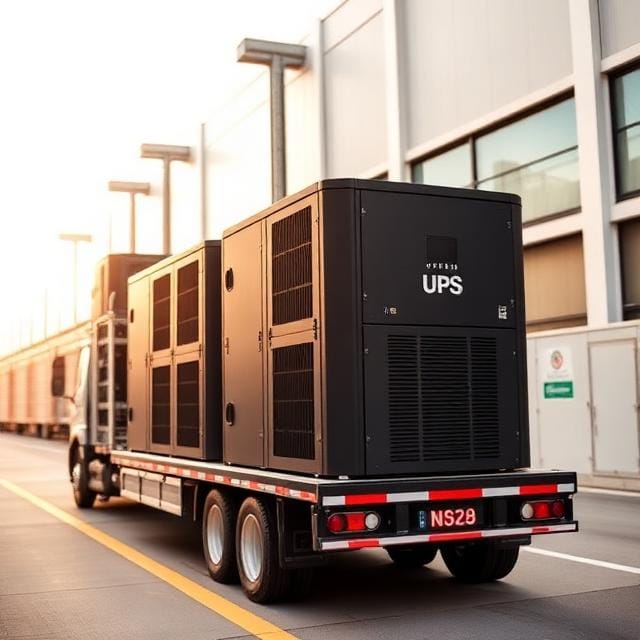
Industrial UPS: Types, Applications, Brands & How to Choose the Right System
Learn about industrial UPS systems, types, applications, leading brands and key factors for choosing reliable backup power for industrial operations.
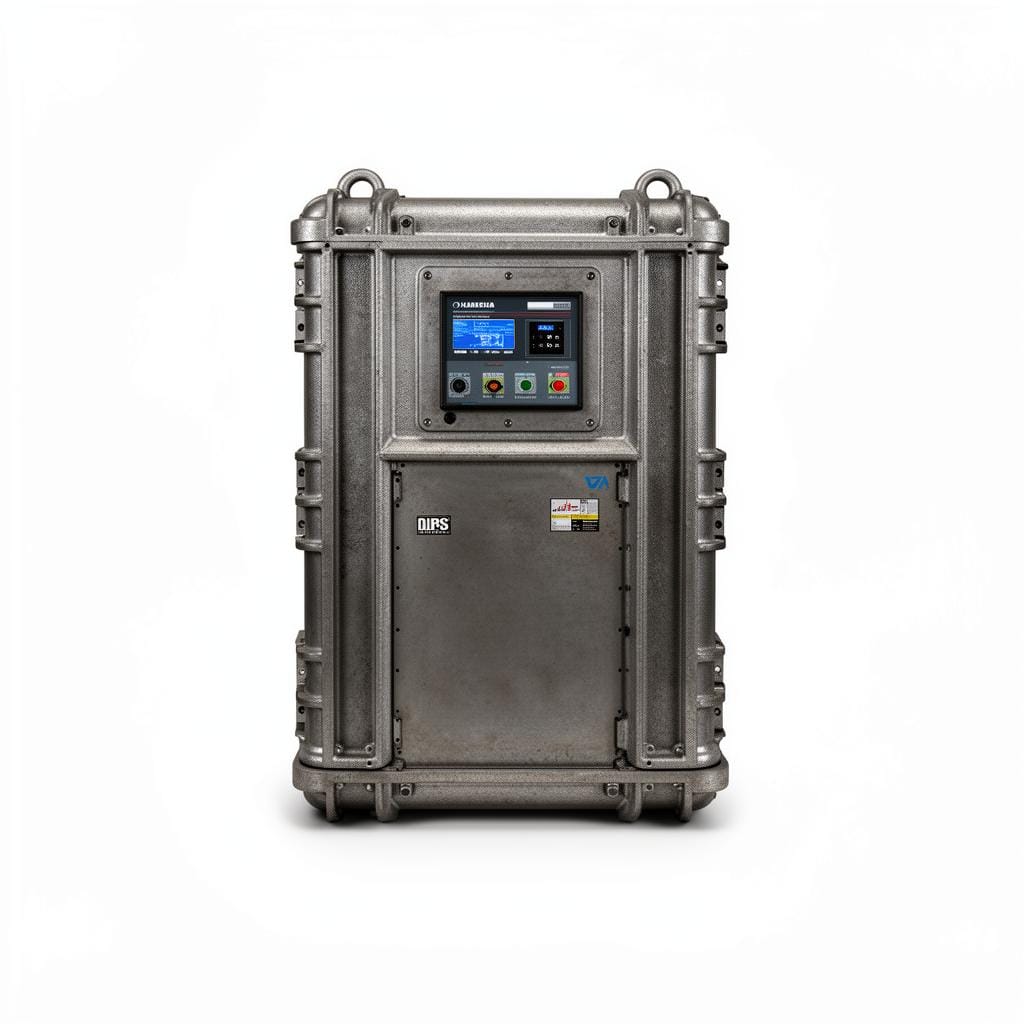
Industrial operations depend on stable power to keep machinery, automation, control systems, data infrastructure, and critical equipment running. A sudden power failure, voltage fluctuation, or outage can interrupt production, affect sensitive equipment, and lead to costly downtime.
An industrial UPS provides backup power and helps maintain a stable electrical supply for critical loads. However, choosing the right system requires more than simply comparing capacity. Technology, application, runtime, operating environment, scalability, and service support all need to be considered.
This guide explains the different types of industrial UPS systems, their applications, leading brands, and the factors businesses should evaluate before making a purchase.
What Is an Industrial UPS?
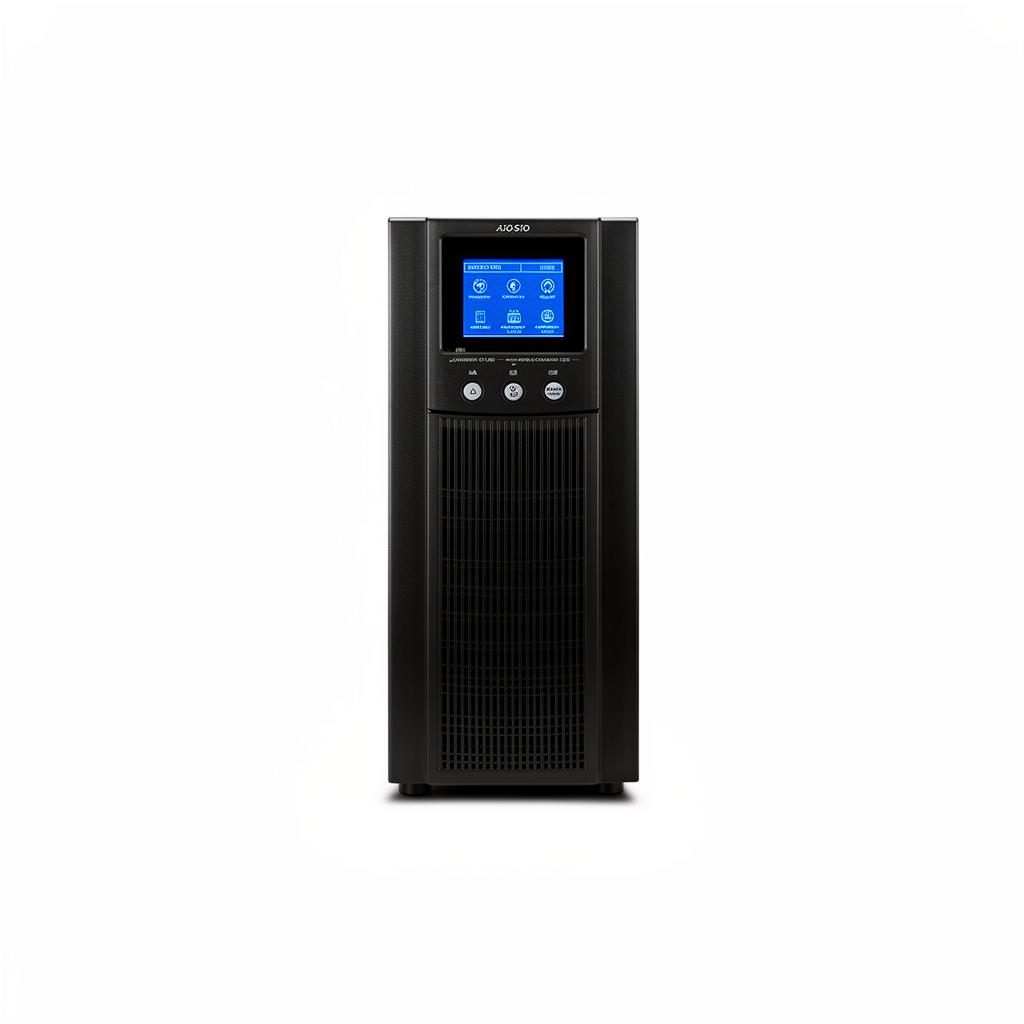
An industrial UPS, or Uninterruptible Power Supply, is a backup power system designed to keep critical equipment operating when the main power supply is interrupted.
Depending on its design, a UPS system can provide battery backup, voltage regulation, power conditioning, and protection against certain electrical disturbances.
A typical installation may include:
- UPS system
- Battery bank
- Bypass arrangement
- Monitoring and control features
- Distribution equipment
- Protection components
The required configuration depends on the connected load, operating conditions, required backup time, and criticality of the application.
Why Are Industrial UPS Systems Important?
Industrial facilities often operate equipment that cannot simply be switched off during a power interruption. Production systems, PLCs, automation equipment, communication systems, and control infrastructure may require continuous electricity.
A suitable backup system can help:
Protect Critical Equipment
Voltage fluctuations and unexpected interruptions can affect sensitive electronic equipment. A properly configured system helps provide a more controlled power supply.
Reduce Downtime
Backup power can keep essential loads operational during short outages and provide time for other standby power sources to take over when required.
Support Automation
Modern industrial environments depend on automated processes and control systems. Maintaining stable power can help prevent unexpected shutdowns and process interruptions.
Improve Power Quality
Some UPS technologies provide voltage regulation and power conditioning, which can be valuable in locations where the utility supply is inconsistent.
Types of Industrial UPS Systems
Different UPS technologies are suitable for different operating requirements.
1. Online UPS
An online UPS uses a double-conversion design. Incoming AC power is converted to DC and then converted back to AC through the inverter before reaching the connected load.
Because the load is continuously supplied through the inverter, this architecture can provide zero conventional transfer time during a power failure.
Online systems are commonly considered for:
- Industrial automation
- Manufacturing control systems
- Data centers
- Telecommunications
- Medical infrastructure
- Critical electronic equipment
They are particularly useful where power quality and continuity are important.
2. Line-Interactive UPS
A line-interactive UPS normally supplies power from the utility while regulating certain voltage variations.
When the main supply fails or moves outside the acceptable operating range, the inverter switches to battery operation.
This type can be suitable for applications where a short switching period is acceptable and the power environment is relatively stable.
3. Standby or Offline UPS
A standby UPS generally supplies the connected equipment directly from the utility during normal operation. When a power failure occurs, it switches the load to battery power.
This architecture is more commonly used for basic backup requirements and smaller applications rather than demanding industrial environments.
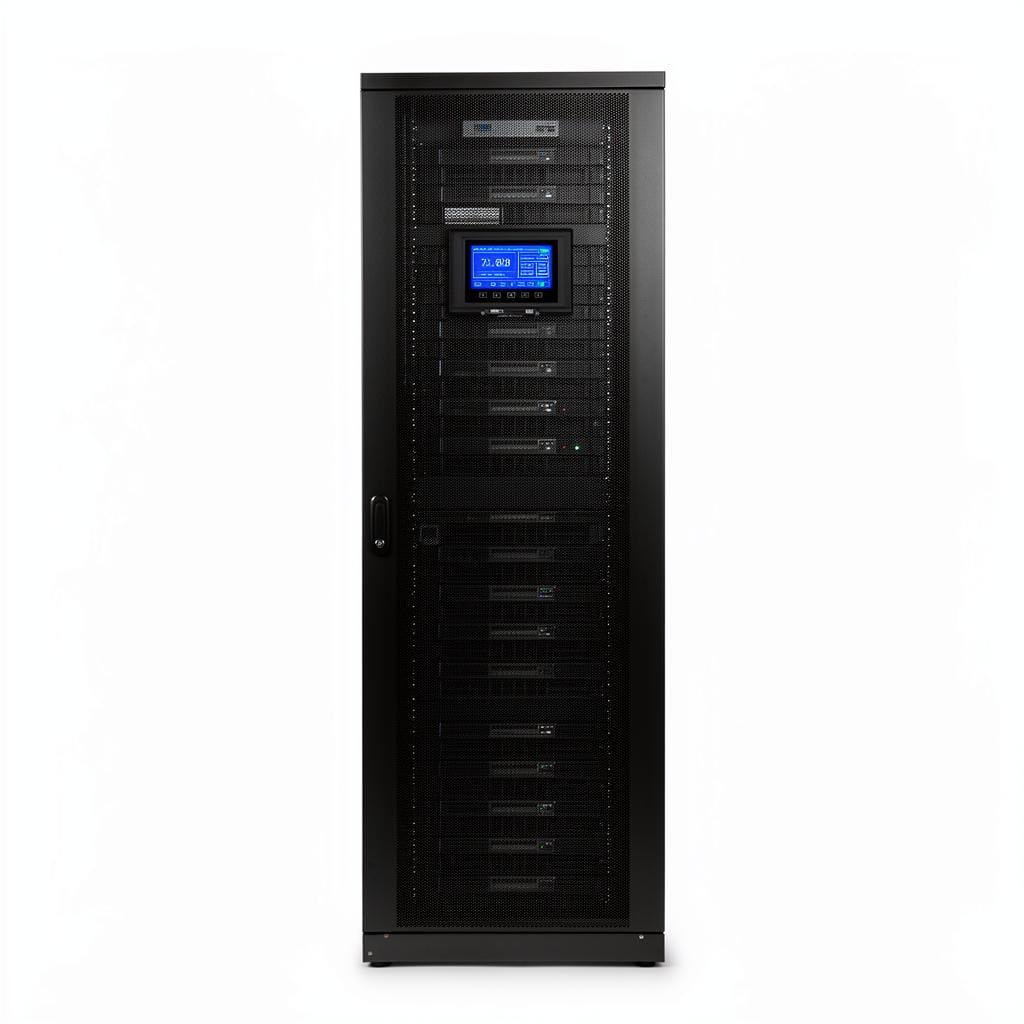
4. Modular UPS
A modular design uses individual power modules that can be added or configured according to capacity requirements.
This can provide flexibility for facilities expecting future expansion and can support redundancy depending on the system architecture.
Industrial UPS Applications
Industrial UPS systems are used across sectors where power continuity is important.
Manufacturing
Production facilities may use backup systems for automation equipment, PLCs, control systems, and critical production processes.
Data Centers
Data centers require stable power for servers, networking equipment, storage, and other IT infrastructure. Online UPS systems are commonly considered for these environments.
Telecommunications
Communication infrastructure relies on continuous power to maintain network availability and connectivity.
Healthcare
Medical and supporting electronic equipment may require reliable electricity to minimize interruptions to critical operations.
Oil & Gas
Monitoring, communication, control, and process equipment can require dependable backup power in demanding operating environments.
Industrial Automation
PLCs, controllers, sensors, and other automation equipment can be sensitive to sudden interruptions, making power continuity an important consideration.
Industrial UPS and Commercial UPS: What Is the Difference?
The main difference between industrial and commercial UPS applications is the operating environment, load characteristics, and level of continuity required.
Commercial UPS systems are often used for offices, computers, retail environments, and general IT equipment.
Industrial applications may involve:
- Production machinery
- PLCs and controllers
- Automation systems
- Process-control equipment
- Communication infrastructure
- Monitoring systems
Industrial environments may also involve higher temperatures, dust, vibration, or other demanding conditions. Therefore, selecting a system based only on its kVA rating may not be enough.
Industrial UPS Brands to Consider
When comparing an industrial UPS manufacturer, businesses should evaluate both the product and the available technical support.
Depending on the application and product availability, Power Consilium's service and supply portfolio can include established brands such as:
APC by Schneider Electric
APC by Schneider Electric offers UPS solutions for IT infrastructure, commercial applications, and critical power environments.
Vertiv
Vertiv provides power and infrastructure solutions for data centers, telecommunications, and other critical facilities.
Numeric
Numeric is an established UPS brand in India, offering solutions for commercial and industrial power backup requirements.
Eaton
Eaton provides power management technologies and UPS solutions for IT, commercial, and industrial applications.
Emerson
Emerson has been associated with critical power infrastructure and UPS solutions across different applications.
Albitek
Albitek UPS systems can be considered for suitable commercial and industrial requirements based on capacity, application, and project specifications.
The appropriate brand and model should be selected based on technical requirements, application, capacity, service availability, and installation conditions rather than brand name alone.
How to Choose the Right Industrial UPS
Selecting the right solution requires a complete assessment of the facility and its electrical requirements.
1. Calculate the Load
Identify all equipment requiring backup and determine the total connected load. Consider future expansion as well as current demand.
2. Identify Critical Loads
Not every piece of equipment may require UPS protection. Prioritize systems that are essential to production, safety, communication, automation, or business continuity.
3. Assess Power Quality
Review voltage fluctuations, outages, electrical disturbances, and the overall stability of the utility supply.
4. Determine Backup Runtime
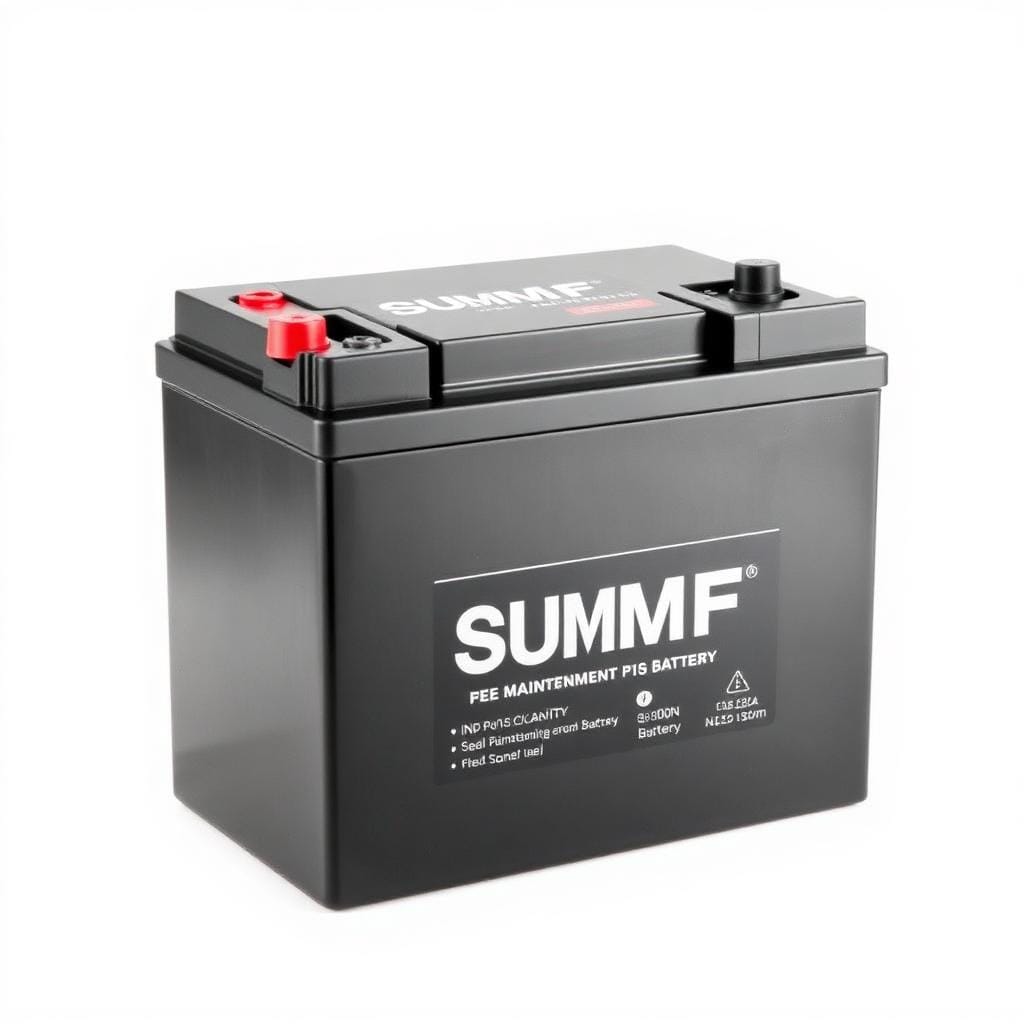
Battery capacity should be selected according to the connected load and the required backup duration.
5. Evaluate the Installation Environment
Temperature, humidity, dust, ventilation, available space, and other site conditions can influence the appropriate UPS configuration.
6. Consider Future Expansion
If the facility is expected to increase its power requirements, choose a system that can accommodate future capacity where possible.
7. Consider After-Sales Support
Installation is only one part of the UPS lifecycle. Preventive maintenance, technical support, spare parts, battery replacement, and service response can have a significant impact on long-term reliability.
Industrial UPS Maintenance and AMC
Regular maintenance helps identify potential issues before they develop into unexpected failures.
A maintenance program may include:
- UPS inspection
- Battery health checks
- Electrical testing
- Alarm verification
- Connection checks
- Cooling-system inspection
- Performance testing
- Component replacement when required
For businesses operating critical infrastructure, a structured UPS AMC service can provide scheduled preventive maintenance and technical support.
Can You Rent an Industrial UPS?
Yes. UPS rental can be useful when backup capacity is required for a temporary period.
Businesses may consider UPS on rent for:
- Temporary projects
- Planned electrical maintenance
- Equipment upgrades
- Emergency requirements
- Temporary capacity expansion
- Short-term infrastructure needs
The appropriate rental solution depends on the required UPS capacity, application, installation requirements, and rental duration.
How to Select an Industrial UPS Manufacturer in India
When evaluating industrial UPS manufacturers in India, look beyond product specifications.
Consider:
- Available UPS technologies
- Capacity range
- Application experience
- Installation support
- Battery and spare-parts availability
- Maintenance services
- Technical expertise
- Service network
- Response time
- Scalability
- Long-term support
A reliable supplier should be able to understand the facility's electrical requirements and recommend a suitable configuration rather than simply offering a standard UPS unit.
Power Consilium provides UPS supply, service, rental, and maintenance solutions for different commercial and industrial requirements.
Frequently Asked Questions
An industrial UPS provides backup and conditioned power to critical equipment during power failures and certain electrical disturbances. It is commonly used in manufacturing, automation, data centers, healthcare, telecommunications, and infrastructure.
An online UPS is commonly considered for critical industrial applications because it continuously supplies the load through the inverter and provides strong power conditioning. The final selection depends on the application and electrical requirements.
Industrial systems are generally selected for more demanding environments and critical loads. They may require higher capacities, specialized configurations, longer runtime, or stronger maintenance support.
Capacity is determined by evaluating the connected load, power factor, starting requirements, future expansion, and required operating margin. A proper load assessment should be completed before selecting the equipment.
Runtime depends on the connected load, battery capacity, and system configuration. Additional battery capacity can be considered when longer backup is required.
Yes. Regular inspection, testing, and battery checks can help identify potential problems and maintain system performance. Maintenance requirements depend on the UPS technology and operating environment.
Conclusion
An industrial UPS helps protect critical operations from power interruptions and equipment downtime. Choosing the right system depends on capacity, technology, runtime, power quality, and service support.
Power Consilium provides UPS solutions, UPS rental, and UPS AMC services for industrial requirements across India.
Need an industrial UPS solution? Talk to Power Consilium.
Contact our team